
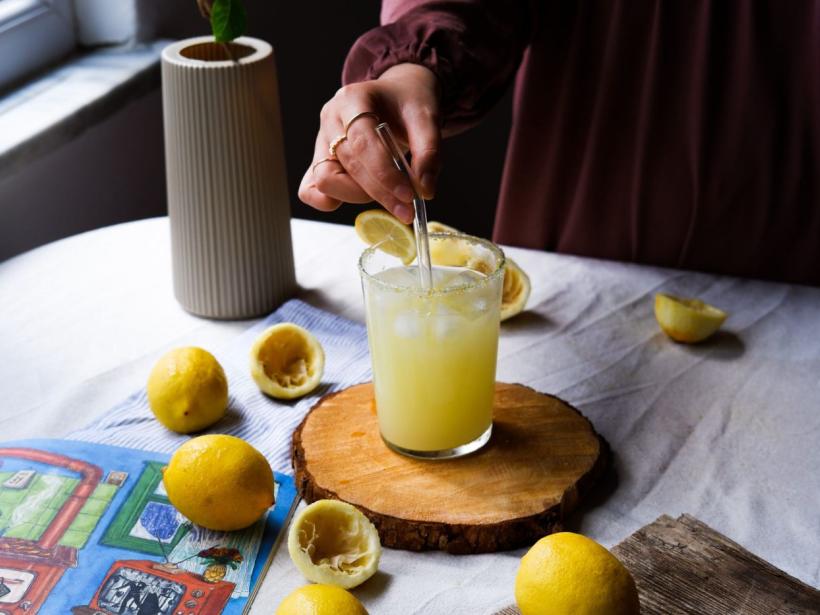
What sweetener works best for sugar-free lemonade
Stevia, honey, and monk fruit all sweeten lemonade without granulated sugar, but they behave differently in cold liquid. Stevia is a zero-calorie extract that dissolves quickly and tastes intensely sweet, though some brands leave a licorice-like aftertaste. Honey adds floral depth and a touch of body, but it needs a small amount of warm water to dissolve first. Monk fruit extract has a clean sweetness closer to sugar with no bitter finish, making it the most neutral option for a classic lemonade flavor.
For one pitcher that holds about 6 cups of liquid, start with these amounts and adjust to your taste:
- Liquid stevia: 1/2 teaspoon, added directly to the cold mix.
- Powdered stevia: 1/4 teaspoon, whisked into the fresh lemon juice before adding water.
- Honey: 2 to 3 tablespoons, stirred into 2 tablespoons of warm water until fluid, then poured into the pitcher.
- Monk fruit granules: 2 to 3 teaspoons, dissolved in a splash of warm water first to prevent grittiness.
- Monk fruit liquid drops: 1 full dropper, stirred right into the cold lemonade.
- Blended approach: combine half the amount of honey with a few drops of monk fruit to round out the sweetness and soften honey's distinctive taste.
The base recipe for one pitcher

You need only four ingredients for a clean, refreshing sugar-free lemonade: fresh lemons, cold water, ice, and your chosen sweetener. The ideal ratio for a balanced pitcher is 1 cup of freshly squeezed lemon juice to 4 cups of cold water. This gives you a drink that is tart enough to be interesting but not so sharp that it overwhelms the sweetener.
Start by juicing enough lemons to yield 1 cup of juice, which usually takes 6 to 8 medium lemons depending on their size and juiciness. Strain the juice through a fine-mesh sieve to catch seeds and pulp, then pour it into a large pitcher. Add 4 cups of cold filtered water and stir in your sweetener gradually. For a liquid stevia extract, start with half a teaspoon and taste before adding more. If you are using a powdered monk fruit blend that measures cup for cup like sugar, begin with a quarter cup and adjust upward. Let the mixture sit for 5 minutes so the sweetener dissolves completely and the flavors meld.
Fill the pitcher with a generous amount of ice just before serving. The ice chills the lemonade quickly and dilutes it slightly as it melts, which softens the tart edge without any extra work. Stir once more and pour over additional ice in individual glasses.
How to balance the tartness without sugar
Without sugar, the sharp edge of fresh lemon juice becomes the main character, so you need a few simple tricks to soften it. You are not trying to hide the citrus, just to take away that harsh, puckering bite. A little salt, a different kind of water, and the way you handle the peel all make a difference.
These small additions do the same job sugar used to do: they coat your tongue just enough so the sourness feels bright instead of aggressive. Each method works on its own, but combining two or three gives you the smoothest drink.
The most reliable ways to round out the acidity in a sugar-free lemonade are:
- A tiny pinch of fine sea salt stirred into the pitcher. Salt suppresses bitterness and makes the lemon taste fuller, not salty. Start with an eighth of a teaspoon per quart of liquid and taste before adding more.
- Replace still water with plain sparkling water. The gentle fizz and the slight mineral taste from carbonation soften the sharpness of the acid on your palate without any sweetener.
- Steep wide strips of lemon zest in hot water for ten minutes before mixing the lemonade. The oils from the peel add a rounded, floral lemon flavor that balances the juice’s sour punch.
- A thin slice of cucumber or a few torn mint leaves left in the pitcher for half an hour. Both add a cool, green note that naturally tones down the perception of sourness.
- A teaspoon of apple cider vinegar for a full pitcher. It sounds counterintuitive, but a second, softer acid actually makes the lemon juice taste less sharp and more complex.
Three flavor variations to try

A plain lemonade is refreshing, but a small addition turns it into something worth serving to guests. Each variation below starts with the base recipe. The adjustments are simple and you keep the same stevia or honey ratio so the sweetness stays consistent.
For mint-lime lemonade, swap half the lemon juice for fresh lime juice. Bruise a handful of mint leaves between your palms and drop them into the pitcher. Let the mixture sit in the fridge for an hour before straining the leaves out. The lime sharpens the citrus and the mint cools the finish without adding any sugar.
Ginger-berry lemonade needs a quick ginger syrup. Simmer a thumb-sized piece of sliced ginger in a cup of water for ten minutes, then cool and strain it. Use that ginger water in place of plain water in the base recipe and stir in a quarter cup of mashed fresh raspberries or blackberries just before serving. The berries add color and a gentle tartness that works with the ginger's warmth.
Lavender-vanilla lemonade is the most delicate of the three. Steep a teaspoon of dried culinary lavender in the hot water you use to dissolve the sweetener. After five minutes, strain the lavender out and proceed with the recipe. Add a quarter teaspoon of vanilla extract at the end. The floral note is subtle and the vanilla rounds out the acidity without making the drink taste like dessert.
How to make it ahead for a party

Making lemonade for a crowd works best when you prepare a concentrate. Mix the lemon juice and your chosen sweetener with only half the water the recipe calls for. Keep the sparkling water separate until the moment you serve.
Store the concentrate in a sealed pitcher or bottle in the refrigerator for up to 24 hours. The cold temperature keeps the citrus bright and prevents the sweetener from developing any off notes. When your guests arrive, pour the concentrate over plenty of ice, top with chilled sparkling water, and stir once gently to combine without knocking out the fizz.
For a self-serve setup, set out the pitcher of concentrate, bottles of cold sparkling water, and a bowl of ice with a ladle. Label a small card with the ratio: one part concentrate to one part sparkling water. This keeps every glass as lively as the first pour.
Common mistakes that make it bitter or flat
A flat or bitter lemonade is usually a matter of technique, not the recipe. The most common mistake is letting lemon zest sit in the water too long. The white pith and the peel release bitter compounds after about 10 minutes of steeping. Strain the zest out as soon as the water takes on a faint yellow tint and a lemony scent, then cool the liquid before mixing.
Bottled lemon juice is another common cause. Even the brands labeled "not from concentrate" taste dull next to fresh fruit. If you must use it, cut the amount by a quarter and add the zest of one lemon to restore some brightness. Stir a granulated sweetener like stevia or monk fruit into warm, not hot, water to dissolve it without turning syrupy or developing an off taste.
- Steeping lemon zest longer than 10 minutes pulls tannins from the pith and makes the drink unpleasantly bitter.
- Using bottled juice instead of fresh lemons flattens the flavor and leaves a metallic aftertaste that no sweetener can mask.
- Adding stevia or monk fruit powder to boiling water can scorch the sweetener and create a licorice-like note that overpowers the citrus.
- Skipping the pinch of salt makes the lemonade taste one-dimensional. A tiny amount rounds the tartness and helps the sweetener taste more natural.
- If you store the finished lemonade with lemon slices still in the pitcher, the rind continues to release oils and turns the batch bitter overnight.
Frequently asked questions
Can I use erythritol or monk fruit instead of stevia
Yes. Powdered erythritol dissolves well in cold water and has a clean sweetness, though large amounts may cause a slight cooling sensation. Monk fruit extract is very concentrated, so start with half the amount you would use for stevia and taste as you go.
How long does homemade sugar-free lemonade last in the fridge
Stored in a sealed pitcher, the lemonade stays fresh for about 3 days. The flavor is brightest on the first day. If you made a concentrate without the sweetener, it keeps for up to a week and you can sweeten each glass as you serve it.
Why does my lemonade taste bitter
Bitterness usually comes from the white pith under the peel or from lemon zest that steeped too long. When you add zest for extra flavor, let it sit in the water for no more than 10 minutes, then strain it out before mixing the full pitcher.
Can I make this with limes or other citrus
Absolutely. Limes, Meyer lemons, and even a mix of grapefruit and orange juice all work. Keep the total amount of juice roughly the same as the base recipe and adjust the sweetener, since limes and grapefruit are often more tart than standard lemons.
Photo: beytlik, Pexels (Pexels License)