
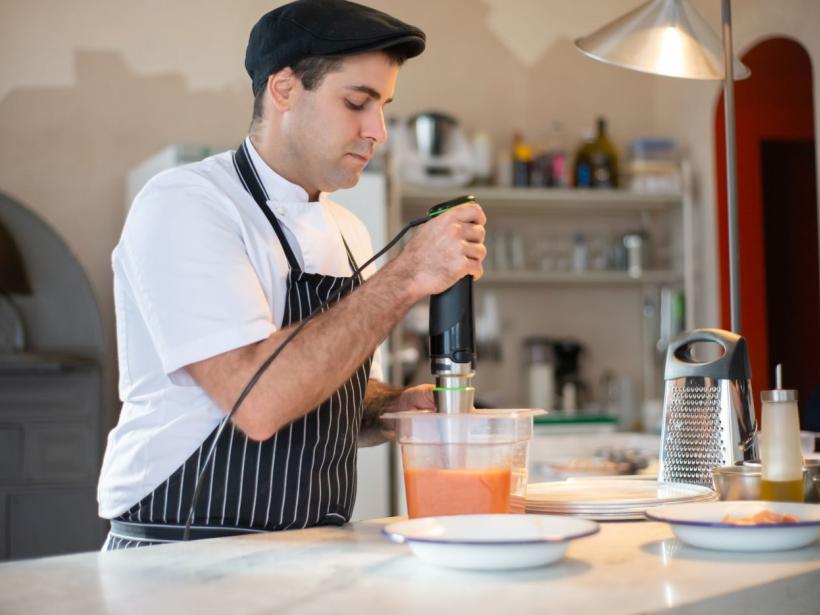
What exactly is a cold soup
A cold soup is a dish that is blended or chopped and intentionally chilled before serving. It is not a bowl of leftover stew that cooled down in the fridge. You build the recipe from the start to taste balanced at a low temperature, so you season more assertively than for a hot soup because cold dulls salt and acidity.
The texture usually comes from raw or briefly cooked vegetables, fruit, yogurt, buttermilk or soaked bread. Some versions are silky and smooth, others keep a rough chop for body. A cold soup should feel refreshing on the palate, not heavy, so fat is used sparingly. A drizzle of good olive oil at the table works better than a cup of cream in the pot.
Which cold soups are worth making first

Start with three styles that cover the range of textures and flavors in cold soups. Gazpacho is a raw, no-cook Spanish soup that depends entirely on ripe tomatoes, cucumber, bell pepper and a good pour of olive oil. You blitz everything in a blender until smooth, then chill it for at least two hours. You want a silky, drinkable texture, not a chunky one.
Okroshka is the opposite in spirit: a Russian soup built on diced cooked ingredients in a tangy liquid base. The core components are boiled potatoes, hard-cooked eggs, radishes, fresh cucumber and a cooked meat such as ham or boiled beef. The liquid is traditionally kvass or thinned kefir, which gives a sour, slightly fizzy character. The result is a clean, brothy consistency with distinct bites of the solids.
Vichyssoise sits in the smooth, creamy camp but brings a cooked, mellow depth. You simmer leeks and potatoes in stock, puree them, then stir in heavy cream and chill the soup completely. The texture should be velvety and coat the back of a spoon. Each one teaches a different technique: raw blending, chopped assembly, and cooked-then-chilled puree.
- Gazpacho: tomatoes, cucumber, bell pepper, garlic, olive oil, sherry vinegar and stale bread for body
- Okroshka: boiled potatoes, eggs, radishes, cucumber, ham or beef, dill, kvass or kefir
- Vichyssoise: leeks, potatoes, chicken stock, heavy cream, chives and a touch of white pepper
- Salmorejo: a thicker cousin of gazpacho with more bread and less liquid, topped with hard-cooked egg and serrano ham
- Chilled cucumber yogurt soup: grated cucumber, yogurt, garlic, dill and a splash of cold water or milk
- Chilled borscht: roasted beets pureed with stock and buttermilk, served with sour cream and fresh dill
How do you build a cold soup from scratch
Whether you make a chunky gazpacho or a silky vichyssoise, every cold soup follows the same four steps. Start with a base that carries the main flavor: ripe tomatoes, roasted peppers, cooked and cooled potatoes, yogurt, or buttermilk. Add aromatics like shallot, garlic, fresh herbs or a small piece of chile while the base is still at room temperature so their oils release fully.
Blend or chop to the texture you want, then season with salt and an acid. Lemon juice, sherry vinegar or red wine vinegar brightens the soup more than you expect. Pour it into a chilled bowl, cover, and refrigerate for at least an hour. Cold dulls salt and acid, so taste again right before serving and adjust both.
Ladle the soup straight from the refrigerator into bowls and finish with a garnish that adds crunch or a contrasting temperature. A drizzle of good olive oil, diced cucumber, or crumbled feta brings the bowl together. Keep a few ice cubes on hand for hot days when the soup needs to stay cold on the table.
What makes a cold soup taste flat and how do you fix it

A cold soup that tastes flat almost always suffers from underseasoning. Cold dulls salt, so you need a bit more than you would add to a hot dish of the same volume. Stir in fine sea salt a pinch at a time, taste after 30 seconds, and repeat until the flavor snaps into focus. The second big culprit is missing acid. A squeeze of lemon juice, a splash of sherry vinegar or even a spoonful of brine from a jar of capers lifts everything and makes the ingredients taste more distinct.
Serving a soup straight from the fridge, at 34 to 36 degrees Fahrenheit, also mutes flavor. Let it sit on the counter for 8 to 10 minutes before ladling it into bowls. You want it well chilled, not icy. Texture matters just as much. A soup that is too thin feels watery and unsatisfying. If the body is off, blend in a handful of soaked stale bread, a few extra almonds or half an avocado to add silkiness without changing the character of the dish.
Quick fixes for a flat cold soup:
- Add salt gradually and taste often. Cold needs roughly 20 percent more salt than a hot preparation.
- Brighten with acid. Start with half a teaspoon of fresh citrus juice or vinegar per quart of soup and adjust upward.
- Let the bowl rest out of the fridge for 8 to 10 minutes so the chill does not numb the palate.
- Boost body with a starchy thickener. A small amount of bread, nuts or avocado blended in smooths the texture.
- Check the fat. A drizzle of good olive oil or a spoonful of creme fraiche stirred in at the last moment rounds out sharp edges.
- Refresh the herbs. Raw herbs fade in the fridge overnight. Stir in a generous pinch of freshly chopped dill, basil or chives right before serving.
What garnishes work beyond a leaf of basil

A garnish does more than decorate the bowl. The right topping adds crunch against the smooth liquid, a cool creamy dollop or a sharp bite that wakes up the whole spoonful. It is the final seasoning: a layer of texture and temperature that makes each mouthful more interesting than the last.
Cold soups lose their charm when every spoonful feels the same. A handful of something crisp or a swirl of something rich turns a simple puree into a dish with structure. The garnish should contrast with the body of the soup: if the soup is smooth, add crunch; if it is tart, add something creamy; if it is earthy, add a fresh, bright pop.
- Toasted pumpkin seeds or sunflower seeds fried in a dry pan with a pinch of smoked paprika give a warm, nutty crunch that works especially well with tomato-based soups.
- Quick-pickled shallots or radishes, made by tossing thin slices with a splash of vinegar, a pinch of sugar and a little salt for ten minutes, cut through richness with sharp acidity.
- A spoonful of cold crème fraîche or thick Greek yogurt swirled in at the last moment adds a creamy ribbon that balances spicy or acidic soups.
- Crumbled feta or shaved pecorino brings salt and a crumbly texture that melts slightly on contact with chilled vegetable soups.
- Diced cucumber and red bell pepper, cut into tiny uniform cubes and tossed with a squeeze of lemon, give a clean, watery crunch that refreshes every bite.
- Herb oil made by blending a handful of soft herbs with olive oil and a pinch of salt, then straining, drizzles on as a bright, fragrant finish without wilting or browning.
Apply garnishes just before serving so they keep their texture. Toasted seeds go soft in the fridge, pickled vegetables bleed colour and creamy swirls disappear into the soup if they sit too long.
Can you make cold soup ahead without losing texture
Yes, and it often tastes better the next day. Blended soups like gazpacho or ajo blanco keep in a sealed container in the fridge for up to 3 days. The flavours meld overnight, so the soup you pull out on Saturday will be deeper than the one you made on Friday.
Chunky soups, such as a shrimp and avocado verrine with diced cucumber, need a different approach. Store the broth or the liquid base separately from the solid bits. Avocado and tomato pieces soak up the liquid and turn to mush within a few hours. Keep the solids in their own container and combine them no more than 30 minutes before serving.
When you pull a blended soup from the fridge, it will have thickened. Stir in a splash of cold water, vegetable stock or buttermilk until the texture loosens to where it was. Taste and adjust the salt, because cold dulls seasoning. For a chunky soup, give the liquid a quick whisk to re-emulsify any oil or yogurt, then spoon the solids over the top right before it hits the table.
Frequently asked questions
Is gazpacho just cold tomato soup
Gazpacho is a specific Spanish cold soup where ripe tomatoes, cucumber, bell pepper, garlic, olive oil and vinegar are blended until smooth. The vinegar and olive oil give it a tangy, rounded character that plain chilled tomato juice never reaches. Some versions add bread for body, but the core is always raw vegetables and good oil.
Do I need a high-speed blender for a smooth texture
A standard blender works if you let it run a little longer and strain the soup through a fine-mesh sieve afterward. High-speed blenders simply cut down the straining step. For rustic, chunky styles like okroshka, a knife and a cutting board are all you need.
Why does my cold soup taste bland even after seasoning
Chilling dulls flavor, so you need to season more aggressively than you would for a hot dish. Add salt, acid (lemon juice or vinegar) and a small pinch of sugar in stages, tasting after each addition. Let the soup rest in the fridge for at least an hour, then taste again and adjust before serving.
Can I freeze leftover cold soup
Creamy or dairy-based soups tend to separate when frozen and thawed, so they are best eaten within three days. Tomato- and vegetable-based soups without dairy freeze reasonably well for up to a month. Thaw overnight in the fridge, stir vigorously and add a fresh garnish to bring back brightness.
Photo: Kampus Production, Pexels (Pexels License)