
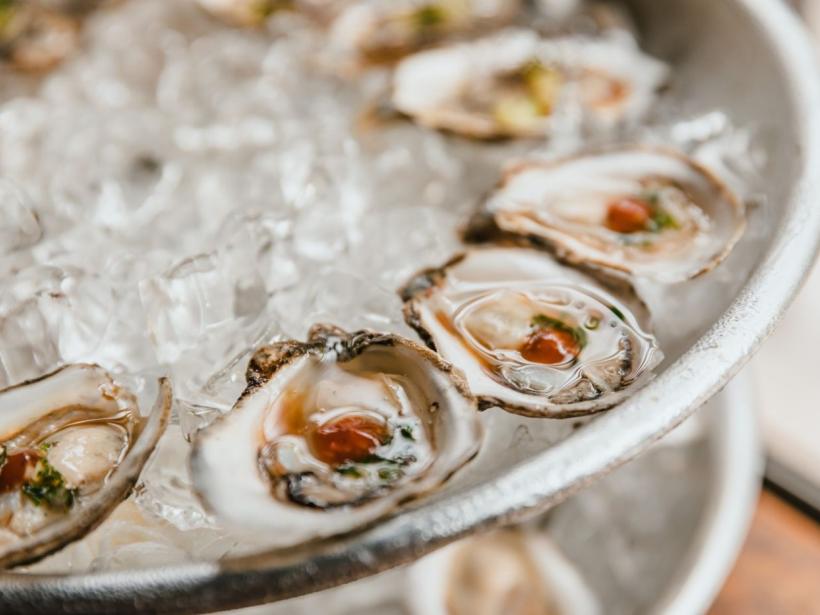
Why do people say you shouldn't eat oysters in months without an 'R'
The old rule about avoiding oysters in months without an 'R' (May through August) traces back to a time before modern refrigeration. In the 1700s and 1800s, oysters harvested during warm months spoiled quickly on the journey from the coast to inland markets. Without ice or cold storage, a batch of oysters could turn dangerous before it ever reached the table.
Warmer water temperatures also play a role. As coastal waters heat up in late spring and summer, naturally occurring Vibrio bacteria multiply more rapidly. These bacteria can concentrate in the tissue of filter-feeding oysters, raising the risk of foodborne illness when the shellfish are eaten raw.
There is a second reason the rule took hold, and it has more to do with quality than safety. Summer is the natural spawning season for many oyster species. During spawning, an oyster diverts its energy into producing reproductive material, leaving the meat thin, milky, and less firm. The texture softens and the clean, briny flavor gives way to something muddier. Generations of oyster eaters noticed the difference and simply decided summer oysters were not worth the trouble.
What are the real health risks of eating raw oysters in summer

Two risks become more likely in summer. The first is Vibrio bacteria, naturally present in coastal waters where oysters grow. The bacteria multiply faster when water temperatures rise above 68°F (20°C). Eating a raw oyster that carries a high load of Vibrio vulnificus can cause vomiting, diarrhea and abdominal pain within 24 hours. For a healthy adult the illness usually passes in a few days.
The second risk is spoilage from a broken cold chain. Oysters must stay below 40°F (4°C) from harvest to plate. On a hot day a dozen left in a warm car for an hour can warm enough for spoilage bacteria to take hold. The result is a sour or rotten smell and a much higher chance of food poisoning.
People with liver disease, diabetes, a weakened immune system or hemochromatosis face a serious danger from Vibrio. In those cases the infection can enter the bloodstream and become life-threatening. Food safety specialists tell these groups to skip raw oysters year-round, not only in summer.
How to choose safe oysters during warm weather
When you buy oysters in summer, pay attention to a few details that matter less in January. You want the coldest, freshest bivalves possible, moved into your refrigerator quickly. Start with the harvest tag. Every bag or box of live oysters sold in the US must have a tag that shows the harvest date and location. Look for oysters harvested within the last 5 to 7 days. A tag with a recent date tells you the oyster spent less time in transit and storage, which lowers the risk of bacterial growth.
In warm months, your best ally is a trusted fishmonger who keeps oysters buried in ice, not just sitting on a chilled display tray. The oysters should feel cold to the touch when you pick one up. Ask where the oysters came from and when they arrived. A good fishmonger will happily show you the tag. Avoid any bag that sits in a puddle of melted ice water. Oysters are alive and can filter that water, so you want them on top of ice where the melt drains away.
At the counter, check each shell before it goes into your bag. Check each shell for these signs:
- Tightly closed shells. An oyster that is even slightly open is likely dead or dying. Tap it. If it does not snap shut, skip it.
- A heavy feel in your hand. Live oysters hold seawater inside. A lightweight oyster has dried out and is unsafe.
- Clean, intact shells. Cracks or chips let bacteria in and moisture out. Mud is fine. Damage is not.
- No strong, unpleasant smell. Fresh oysters smell like the sea, clean and briny. Anything sour or offensive means the oyster is spoiled.
- A harvest tag you can read. If the tag is missing, illegible, or the fishmonger cannot show it, buy your oysters somewhere else.
- Ice contact. The oysters should sit directly on clean ice, not in a plastic bag on a shelf. Direct ice contact keeps the internal temperature below 40°F (4°C).
How to store raw oysters at home before serving

Live oysters need to breathe, so the refrigerator setup matters more than the temperature alone. Set your fridge between 34°F and 40°F (1°C to 4°C). Place the oysters deep in the body of the fridge, not in the door, where the temperature swings every time someone opens it.
Arrange them cup-side down so the deeper shell holds the liquor. Drape a clean, damp kitchen towel over the top and re-wet it if it dries out. The towel keeps the shells from drying without cutting off air circulation the way plastic wrap does.
These rules keep the batch alive and safe for shucking:
- Never store live oysters in an airtight container or sealed plastic bag. They suffocate and spoil quickly.
- Do not submerge oysters in fresh water or melted ice. Fresh water kills them and breeds bacteria.
- Keep the oysters cup-side down so the natural juices stay inside each shell.
- Cover with a damp towel, not a wet one. A soaking towel drips fresh water into the shells.
- Eat them within 24 hours, 48 hours at most. The sooner you shuck, the brighter the flavor.
What a food safety specialist wants you to know

Heat is the only reliable way to eliminate Vibrio bacteria and other pathogens in shellfish. Cooking oysters to an internal temperature of 145°F (63°C) for at least 15 seconds kills the bacteria that cause illness, making the summer month rule irrelevant for grilled, baked or fried oysters.
Certain people should avoid raw shellfish year-round, not just in warm weather. This includes anyone with a compromised immune system, liver disease, diabetes, or conditions that reduce stomach acid. Pregnant women and older adults also fall into the higher-risk category because a Vibrio infection can become systemic and require hospital care.
Beyond cooking, the most effective safeguard is knowing exactly where your oysters came from and when they were harvested. A reputable supplier who follows cold-chain handling from the water to your plate and can show you the harvest tag gives you far more protection than a calendar rule ever could.
Signs an oyster has gone bad before you shuck it
A dead oyster is unsafe to eat, and you can spot one before you ever pick up a shucking knife. The first test is the simplest: the shell must be tightly closed. If you see an oyster with its shell even slightly open, give it a firm tap on the counter. A healthy oyster will clamp shut within a second or two. If the shell stays gaping, the oyster is dead and you need to discard it.
Weight and sound offer more clues. A live oyster feels heavy for its size because it is full of seawater. Pick it up and tap two oysters together gently. A hollow, clattering sound means the oyster has dried out inside. You want a solid, dense thud. Also, look at the overall condition of the shell. A cracked or broken shell breaks the seal that keeps the oyster alive, so any oyster with shell damage goes straight to the trash.
Before you shuck, check for these signs:
- The shell is open and does not close when you tap it firmly.
- The oyster feels noticeably light in your hand, not heavy with liquid.
- Two oysters tapped together produce a hollow sound instead of a solid thud.
- The shell has visible cracks, chips, or holes that break its seal.
- A sour, fishy, or ammonia smell comes from the closed shell.
- The shell is dry on the outside with no trace of moisture from its natural liquor.
Frequently asked questions
Can I get sick from one bad oyster
Yes. A single oyster carrying Vibrio bacteria can cause serious illness, especially in people with weakened immune systems, liver disease, or diabetes. Symptoms like vomiting, diarrhea, and fever can appear within 24 hours. If you suspect a bad oyster, do not eat it.
Does hot sauce or alcohol kill bacteria on raw oysters
No. Lemon juice, hot sauce, and alcohol do not kill Vibrio bacteria or other pathogens. The only reliable ways to make oysters safe are thorough cooking or purchasing them from a supplier who uses approved post-harvest processing methods.
Are farmed oysters safer than wild ones in summer
They can be. Many farmed oysters are grown in deeper, cooler water or are subject to strict temperature controls. Some are also treated with post-harvest processing that reduces bacteria levels. Ask your fishmonger about the origin and handling of the oysters they sell.
How long can raw oysters sit out at a summer party
No longer than two hours, and only one hour if the outdoor temperature is above 90°F. Keep oysters on a bed of ice and discard any that have come to room temperature. Refrigerate leftovers immediately, but plan to serve only what you will eat.
Photo: RDNE Stock project, Pexels (Pexels License)