
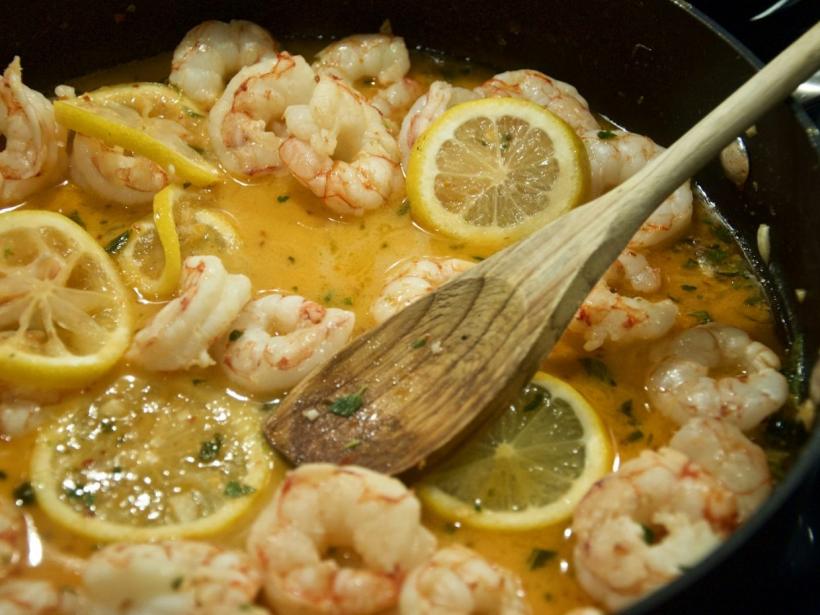
What makes New Orleans BBQ shrimp different from grilled barbecue shrimp?
New Orleans BBQ shrimp never touches a grill. The dish cooks entirely in a hot skillet on the stovetop, simmering in a pool of butter, Worcestershire, garlic and spices. The name comes from the seasoning blend, which mimics the smoky, peppery character of a dry barbecue rub, not from cooking over coals or wood.
The defining feature is the sauce. Butter carries a heavy dose of cracked black pepper, cayenne, paprika, garlic and lemon, creating a rich, brick-red emulsion that coats every shrimp. That bold, smoky heat is what locals mean by “barbecue” in this context: a flavor profile, not a cooking method.
A grill would dry the shrimp out before the sauce could work its way in. The skillet method keeps the shrimp tender while the butter-based sauce steams and bastes them at the same time. You end up with plump, juicy shrimp and a sauce so good you will need bread to soak it up.
What kind of shrimp should I buy for BBQ shrimp?

Head-on, shell-on shrimp are the traditional choice for New Orleans BBQ shrimp. The shells protect the delicate flesh from the intense heat of the pan and add body to the sauce as they release their natural juices. Peeling them at the table is part of the experience, so do not reach for the peeled and deveined bag.
Size matters here more than in most shrimp dishes. Look for 16/20 count per pound or larger. Smaller shrimp cook too quickly and will turn rubbery before the sauce has a chance to thicken and cling to the shells. Gulf shrimp, especially brown or white shrimp from Louisiana waters, deliver the sweet, mineral flavor that defines the dish.
Frozen shrimp work well as long as you thaw them properly overnight in the refrigerator. Avoid shrimp treated with sodium tripolyphosphate, which can give them a spongy texture and a soapy taste. If the only Gulf options are frozen, buy them with confidence.
- Buy head-on and shell-on to protect the meat and build a richer sauce.
- Choose 16/20 count per pound or larger so the shrimp do not overcook.
- Look for wild-caught Gulf shrimp for the most authentic flavor.
- Frozen shrimp are fine when thawed slowly in the fridge overnight.
- Avoid shrimp packed with sodium tripolyphosphate or other additives.
Ingredients you will need
New Orleans BBQ shrimp is a stove-top dish, and every ingredient builds the rich, spicy butter sauce that defines it. You don't need a grill or a smoker, just a heavy skillet and a handful of pantry staples. Measure everything out before you heat the pan, because the recipe comes together fast once you start cooking.
- 2 lb (900 g) large shrimp, shell-on and heads removed
- 2 sticks (226 g) unsalted butter, cold and cut into cubes
- 2 tbsp (30 ml) Worcestershire sauce
- 2 tbsp (30 ml) Louisiana-style hot sauce, such as Crystal
- 1 lemon, juiced, plus wedges for serving
- 4 garlic cloves, minced, plus 1 tsp black pepper and 1 tsp smoked paprika
Shell-on shrimp protect the meat from drying out and add body to the sauce. Cold butter emulsifies slowly, creating a velvety texture instead of a greasy puddle. Louisiana hot sauce brings a clean, vinegary heat that balances the richness without overpowering the shrimp.
How to make the spicy butter sauce step by step

Start with a cold skillet placed over medium-low heat. Add the butter and let it melt gently without browning. Once the butter is fully liquid and just beginning to foam, toss in the minced garlic and all of the dry spices. Stir constantly for about 60 to 90 seconds until the garlic smells fragrant and the spices darken the butter by a shade. This blooming step wakes up the paprika, cayenne, and black pepper so their flavors fully saturate the sauce.
Pour in the Worcestershire sauce and fresh lemon juice, then whisk everything together. The sauce will bubble and look thin at first. Let it simmer for 2 to 3 minutes, stirring occasionally, until it thickens enough to coat the back of a spoon. A properly reduced sauce looks glossy, deeply orange-red, and speckled with spices. The skillet is now ready for the shrimp, and the sauce is concentrated enough to cling to every shell.
How to cook the shrimp without overcooking them
Slide the seasoned shrimp into the pan of bubbling butter sauce in a single layer. The shells stay on during cooking because they protect the delicate meat from direct heat and add deep shrimp flavor to the sauce. Cook for about 2 minutes on the first side, then flip each shrimp with tongs.
Watch for the visual cue: the shrimp are done when the shells turn from gray to bright coral pink. The shells will turn from gray to a bright coral pink, and the flesh will look opaque all the way through the thickest part. The second side needs only 1 to2 more minutes. As soon as the curl tightens into a loose C shape, pull the pan off the heat. A tight O shape means the shrimp are overcooked and rubbery.
How to serve New Orleans BBQ shrimp like a local

Spoon the shrimp and a generous ladle of the spicy butter sauce into a wide, shallow bowl. You want the shrimp nearly swimming in the sauce so every bite stays coated. Set the bowl on a plate to catch drips, and put a roll of paper towels right on the table. This is a hands-on dish, and a little mess is part of the fun.
Crusty French bread with a tender crumb is the only non-negotiable side. Tear off a hunk and use it to soak up the peppery, buttery sauce left at the bottom of the bowl. For a fuller spread, keep the extras simple and cold. A crisp green salad dressed with lemon and olive oil cuts through the richness, or spoon the shrimp over a mound of creamy stone-ground grits. An ice-cold beer or a glass of dry white wine completes the meal.
Can I make the sauce ahead or use it on other seafood?
The spicy butter sauce keeps well in the fridge for up to three days. Let it cool completely, then pour it into a sealed container. Reheat it gently in a pan over low heat, stirring often, to keep the butter from separating. A microwave on half power works too, in 20-second bursts.
This same sauce works beautifully with other Gulf seafood. Toss it with boiled crawfish tails, lump crabmeat, or seared firm white fish like redfish or speckled trout. The Worcestershire and hot sauce base carries enough acidity to cut through richer shellfish without overpowering delicate flesh.
Frequently asked questions
Do I have to use head-on shrimp?
No, but the heads add extra richness to the sauce. If you cannot find head-on shrimp, use shell-on shrimp at least. The shells protect the flesh from overcooking and contribute flavor as the sauce simmers.
How spicy is this dish?
The heat comes from black pepper, cayenne, and hot sauce, but the butter mellows it considerably. You can adjust the cayenne and hot sauce to your taste. The finished dish should feel warm and peppery, not punishing.
Can I use peeled shrimp to save time?
You can, but the shrimp will cook faster and the sauce will be thinner and less flavorful. If you use peeled shrimp, reduce the cooking time by about a minute per side and watch them closely so they do not turn rubbery.
What is the best bread for sopping up the sauce?
Crusty New Orleans-style French bread is the classic choice because the crisp crust holds up and the airy crumb soaks up sauce well. Any good rustic loaf or a baguette will work in a pinch.
Photo: Dan Dennis, Unsplash (Unsplash License)