
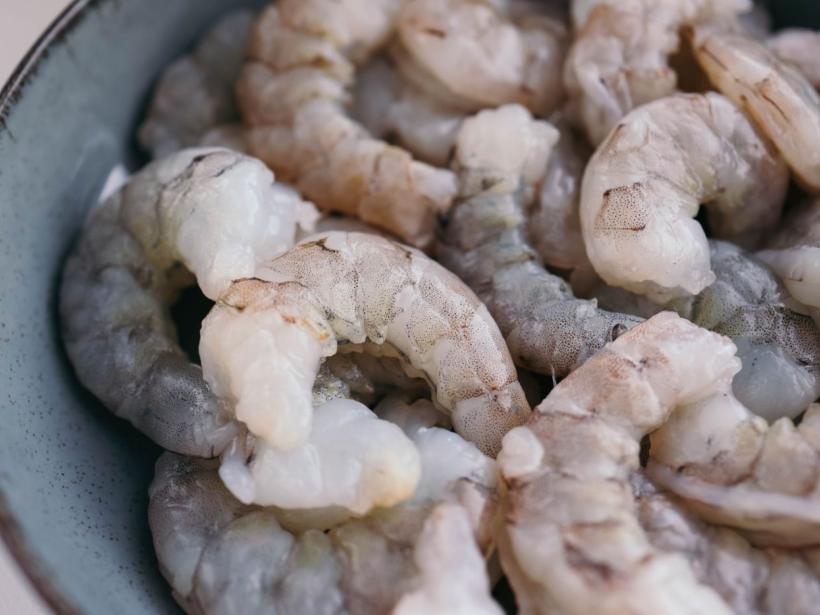
What size shrimp should you buy for frying?
Buy 21-30 count shrimp per pound for most fried shrimp, and choose 16-20 count when you want a plump, restaurant-style bite. The count tells you how many whole shrimp make one pound, so a smaller number means bigger shrimp. A 31-40 count works for popcorn-style pieces that cook in under two minutes.
Size sets your frying time. Large 16-20 count shrimp need about 2-3 minutes in 350°F (175°C) oil, while 31-40 count shrimp finish in 60-90 seconds. Cook in small batches so the oil temperature does not drop.
- 16-20 count: thick, meaty shrimp for a dinner plate, about 2-3 minutes frying.
- 21-30 count: the everyday choice for fried shrimp, even cooking and good crunch.
- 31-40 count: smaller pieces for po'boys and popcorn shrimp, 60-90 seconds.
- 41-50 count and smaller: best saved for soups and gumbos, they overcook fast in hot oil.
- U-15 count: very large shrimp, split them lengthwise so the coating cooks through.
Fresh or frozen shrimp: which fries better?

Frozen shrimp often fry better than fresh, because most "fresh" shrimp at a counter were frozen at sea and thawed for display. That second thaw drains moisture and flavour. A bag of frozen shrimp goes straight from your freezer to a thaw you control, so you know exactly how long it has been out of the cold.
Thaw shrimp in the refrigerator overnight, in a single layer on a tray lined with paper towels. For a quick thaw, seal them in a zip-top bag and hold it under cool running water for 10-15 minutes. Never thaw shrimp in warm water or on the counter, and pat them very dry before they hit the pan.
- Buy frozen shrimp with the shell on when you can, since the shell protects the meat.
- Check the bag for ice crystals or frost inside, which points to thawing and refreezing.
- Skip shrimp that smell of ammonia or have loose, curling tails.
- Cook thawed shrimp the same day and do not refreeze them raw.
How do you spot fresh shrimp at the counter?
Fresh shrimp smell like the sea and nothing else. A clean, briny scent means the fishmonger has handled them well. An ammonia note or a sour edge means the shrimp are past their best, and no frying oil will fix that.
Pick one up and press it. The flesh should feel firm and spring back, and the shell should sit tight against the body with a wet gloss rather than a dry, chalky look. Head-on shrimp give you the clearest read, because bright, firmly attached heads signal good handling.
- Smell: fresh sea brine, never ammonia or bleach.
- Firmness: springy flesh that resists a gentle squeeze.
- Colour: translucent grey or pink, with no dark patches or yellowing.
- Shell: glossy and clinging tight, not loose, cracked or slimy.
- Heads: firmly attached and bright, not slipping off or blackened.
- Avoid: pools of cloudy liquid, soft bodies or any off odour.
Peeled, shell-on, or easy-peel?

For frying, easy-peel shrimp suit a beginner best: the shell protects the meat from overcooking, keeps in flavour, and still slips off in one piece after cooking. Fully peeled shrimp are convenient but dry out faster in hot oil and lose some of that sweet shrimp taste.
Shell-on shrimp fry well too, but the shell traps oil and makes a mess at the table, so save them for dishes where guests peel their own. If you bread shrimp, pat them very dry first, because any water left on the surface stops the coating from sticking.
- Peeled shrimp: fastest to cook, but watch the timer closely and pull them at the first sign of pink.
- Easy-peel shrimp: split shell with the vein removed, a good all-round choice for frying.
- Shell-on shrimp: best flavour and moisture, messier to eat, ideal for casual platters.
- Breaded shrimp: choose peeled and dried well, then press the coating on firmly before frying.
- For beginners: start with easy-peel, since the shell shields the meat while you learn the timing.
What should you ask the fish seller?
A good fish seller can tell you where the shrimp came from, when they were thawed and how many come to the pound. Ask these questions before you point at anything in the case.
- Where were these shrimp harvested or farmed, and are they wild or farmed?
- Were they previously frozen, and if so, when were they thawed for display?
- What is the count per pound on this batch?
- Are they sold by weight or by count, and is the price per pound or per shrimp?
- How long have they been sitting in the case today?
A seller who answers with a number and a date knows the stock. A vague answer about freshness means you should judge the shrimp yourself.
How much shrimp do you need per person?

Plan on about 6 oz (170 g) of raw, peeled shrimp per person for a main course, or 3-4 oz (85-115 g) if you are serving them as a starter or alongside other dishes. That works out to roughly 10-12 large shrimp each. Buy a little extra for a hungry crowd, since fried shrimp disappear fast.
Breading and shrinkage both push the number up. A wet batter or a thick crumb coating adds volume but not shrimp, and shrimp lose moisture as they fry, so a pound of raw peeled shrimp yields closer to 12 oz (340 g) on the plate. If you are buying shell-on, weigh out about 8 oz (225 g) per person to end up with the same edible amount.
- Main course: 6 oz (170 g) raw peeled shrimp per person.
- Starter or shared platter: 3-4 oz (85-115 g) per person.
- Shell-on shrimp: add about a third more weight to cover the shells.
- Heavy breading: add 1 oz (30 g) per person to allow for the coating.
- Mixed crowd with sides: lean toward the higher end of the range.
What shrimp should you avoid for frying?
Skip shrimp with a soft, mushy texture or a faint ammonia smell, and leave anything with freezer burn in the case. Those signs mean the flesh has broken down, and hot oil will not fix it. Press a shrimp lightly with your finger: it should spring back, not leave a dent.
Oversized shrimp look impressive but overcook quickly. In a hot pan, jumbo sizes turn rubbery on the outside before the center sets. Pre-breaded products hide the quality underneath and often have a thick coating that soaks up oil.
- Soft shrimp that dent when pressed and feel slimy.
- An ammonia or bleach smell instead of clean sea scent.
- White, dry patches of freezer burn on the shell.
- Very large shrimp sold for quick frying.
- Pre-breaded shrimp with a thick, frozen coating.
- Shrimp with loose shells or dark, mushy spots.
Frequently asked questions
Is it better to fry shrimp fresh or thawed?
Thawed shrimp fry better than still-frozen ones. Ice turns to steam in the hot oil, so the breading steams off instead of crisping. Thaw shrimp overnight in the refrigerator, then pat them very dry before breading.
What does the number on a shrimp package mean?
The number is the count per pound, so 21-25 means roughly 21 to 25 shrimp in a pound. Smaller numbers mean bigger shrimp. For frying, medium to large shrimp in the 21-30 range cook through before the crust burns.
Can you fry shrimp that were previously frozen?
Yes. Most shrimp sold at a fish counter were frozen at sea and thawed for display, and they fry well if handled properly. Ask the seller when they were thawed and use them within a day or two.
Why do my fried shrimp turn out rubbery?
Rubbery shrimp are usually overcooked or cooked from frozen. Fry in oil at 350-375°F (175-190°C) for 1-2 minutes, until the crust is golden and the shrimp curl into a loose C shape. A tight curl means they went too long.
Photo: Valeria Boltneva, Pexels (Pexels License)