


Pecan pralines are creamy, buttery sugar candies studded with toasted pecans, a classic New Orleans sweet. This recipe makes about 20 pralines in roughly 1 hour (25 minutes active) using one saucepan and a candy thermometer. The key is cooking the mixture to 236 to 240 F, the soft-ball stage, then stirring until it loses its shine and dropping it onto parchment quickly.
Safety first: melted sugar candy reaches temperatures well above boiling and sticks to skin, causing serious burns. Use a deep, heavy pan, clip the thermometer on without touching the bottom, keep children away from the stove, and never taste the candy while it is hot.
Ingredients
- 1 1/2 cups granulated sugar
- 1 cup packed light brown sugar
- 1/2 cup heavy cream
- 1/2 cup whole milk
- 4 tablespoons unsalted butter
- 1/4 teaspoon salt
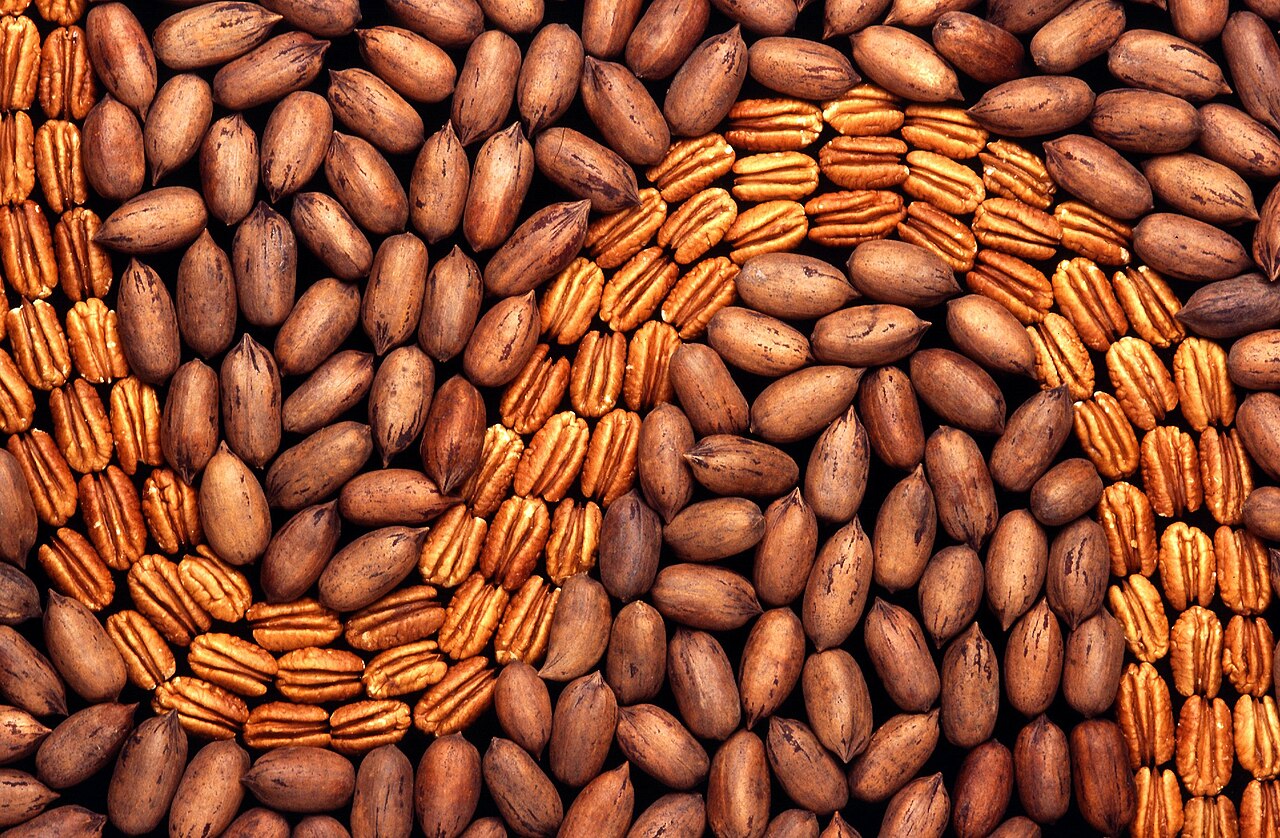
- 2 cups pecan halves, toasted
- 1 1/2 teaspoons vanilla extract
You also need a heavy 3 quart saucepan, a candy thermometer, a wooden spoon and parchment paper or a silicone mat.

Method
- Line two baking sheets with parchment. Toast the pecans on a tray in a 350 F oven for 6 to 8 minutes, until fragrant, and let them cool slightly.
- Set out everything first: thermometer, spoons, a small cup of hot water, and the lined sheets. Once the candy is ready there is no time to search.
- In the saucepan, combine both sugars, the cream, milk, butter and salt. Cook over medium heat, stirring until the sugar dissolves and the butter melts.
- Clip on the thermometer. Cook, stirring occasionally, until it reaches 236 to 240 F. This usually takes 10 to 15 minutes. A drop in cold water should form a soft ball that flattens when pressed.
- Remove from the heat and stir in the vanilla and pecans.
- Cool for about 2 minutes, then stir steadily for 1 to 3 minutes. The mixture loses its glossy shine and turns thicker and creamier.
- Working fast, drop heaping tablespoons onto the parchment. If it stiffens too soon, stir in 1 teaspoon of hot water.
- Cool completely, about 30 minutes, until firm.
Troubleshooting
| Problem | Cause | Fix |
|---|---|---|
| Pralines stay soft and sticky | Candy under 236 F, or a humid day | Cook to temperature; make candy on a dry day. Soft batches can be served as a spoonable topping |
| Hard, dry pralines | Cooked past 240 F | Stir in a little hot water or cream next time and pull earlier |
| Grainy texture | Sugar crystals scraped from the pan sides, or stirred too early | Do not scrape the pan; let the mixture cool 2 minutes before stirring |
| Mixture sets in the pan | Stirred too long or portioned too slowly | Stir in 1 teaspoon hot water and keep dropping |
| Wrong temperature reading | Thermometer off | Test it in boiling water, which reads about 212 F at sea level, and adjust your target by the difference |
Substitutions That Work
- Nuts: walnuts work if you do not have pecans, though the flavor is less traditional.
- Cream and milk: 1 cup of half-and-half can replace the two together.
- Flavor: a pinch of cinnamon, or bourbon in place of part of the vanilla.
- Sugar: keep both sugars as written, since the brown sugar gives the caramel flavor.
If you like pecans as a snack, these honey roasted pecans are an easy cousin to pralines. For another homemade sweet, try caramel apples.
Make Ahead, Storage and Reheating
Layer cooled pralines between sheets of parchment in an airtight container. They keep at room temperature for about 1 week. Avoid the refrigerator, since moisture makes them sticky. Freeze in a sealed container for up to 2 months and thaw, still sealed, at room temperature. Toast the pecans a day ahead if you like. A batch that does not set can be crumbled over ice cream or warm oatmeal.
FAQ
What temperature do you cook pralines to?
The soft-ball stage, 236 to 240 F on a candy thermometer.
Why are my pralines not setting?
Usually the candy did not reach 236 F, or the day was humid. Cook to temperature and stir until the shine disappears.
Why are my pralines grainy?
Sugar crystals from the pan sides or stirring too early cause graininess. Do not scrape the pan, and let the candy cool for 2 minutes before stirring.
Can you make pralines without a candy thermometer?
You can use the cold-water test: a drop of syrup should form a soft ball that flattens between your fingers. A thermometer is more reliable.