
What natural sweeteners work best in lemonade?
Four natural sweeteners work well in sugar-free lemonade because they dissolve in cold liquid and don't overpower the lemon. Stevia, monk fruit, erythritol and allulose each behave differently in a chilled drink, and the right choice depends on what you value: clean sweetness, zero aftertaste or a familiar mouthfeel.
- Stevia. Extracted from the stevia leaf, it is intensely sweet with a slight licorice hint that some people notice. It dissolves fully in cold water as a liquid concentrate or a finely powdered version. Granular blends can leave a faint residue at the bottom of the pitcher.
- Monk fruit. This melon-derived sweetener has a round, fruity sweetness that pairs well with citrus. Pure monk fruit extract has no bitterness, but many grocery-store blends cut it with erythritol to make it spoonable, which changes how it dissolves and the cooling sensation it leaves on the tongue.
- Erythritol. A sugar alcohol that measures cup-for-cup like sugar and gives the drink the same body. It dissolves best in warm water first, then you chill the mixture. On its own it produces a mild cooling effect and can crystallize slightly when the lemonade sits overnight.
- Allulose. A rare sugar that behaves like table sugar in cold liquid, dissolving quickly with no graininess and no cooling aftertaste. It browns and caramelizes like sugar too, though that matters more for cooking than for lemonade.
Blends that combine two of these sweeteners often cancel out the individual quirks. A monk fruit and allulose mix gives you the fruit-forward sweetness of monk fruit with the smooth dissolve of allulose and no lingering coolness.
What is the basic formula for sugar-free lemonade?

The core ratio for one quart of sugar-free lemonade is 1 cup of fresh lemon juice, 4 cups of cold water, and sweetener to taste. Start with the liquid base, then adjust the sweetness gradually. Natural sweeteners vary in potency and aftertaste.
For one quart, juice enough lemons to get 1 cup of strained juice (about 4 to 6 medium lemons), pour it into a pitcher, and add 4 cups of cold still or sparkling water. Stir in the equivalent of 1 cup of sugar using your chosen sweetener. For pure stevia powder, that is roughly 1/2 teaspoon. For a monk fruit and erythritol blend, use 1/4 to 1/3 cup. Taste and add more a quarter teaspoon or tablespoon at a time until the tartness balances.
The order matters. Dissolve powdered or granulated sweeteners in a few tablespoons of warm water first, then stir the syrup into the lemon juice before adding the remaining cold water. This prevents gritty texture and ensures every sip tastes consistent.
How do you make a classic stevia-sweetened lemonade?
Stevia brings a clean, plant-based sweetness that lets the lemon shine without any bitter aftertaste if you measure carefully. Use just enough to round out the tartness, never so much that the herbal notes take over. Liquid stevia dissolves instantly in cold water, making it the easiest choice for a quick pitcher.
You will need 1 cup of freshly squeezed lemon juice (from about 5-6 medium lemons), 4 cups of cold water, and 6-8 drops of liquid stevia, adjusted to your taste. Stir the lemon juice and water together first, then add the stevia a few drops at a time, tasting as you go. Start with 5 drops, whisk, and add more in single-drop increments until the balance feels right. Powdered stevia works too, but it needs a vigorous whisk to dissolve fully and can clump if added all at once.
A small pinch of salt (no more than an eighth of a teaspoon) softens any lingering bitterness and makes the lemon taste rounder. Let the lemonade sit in the fridge for 20 minutes before serving so the flavours settle. Serve over plenty of ice and garnish with thin lemon wheels or a sprig of mint.
How do you make a monk fruit and erythritol blend lemonade?

A monk fruit and erythritol blend dissolves best when you start with a small amount of warm water. The granules need a moment to break down completely, otherwise they settle at the bottom of the pitcher and leave the first sip too sweet and the last one bland.
Juice 4 large lemons until you have 3/4 cup of fresh juice. In a separate measuring cup, stir 1/4 cup of a granulated monk fruit and erythritol blend into 1/2 cup of warm water until the liquid turns clear, about 30 seconds. Pour the sweetened water and the lemon juice into a pitcher, add 3 cups of cold water, and stir. Taste and add another tablespoon of sweetener if you prefer a rounder finish. Serve over plenty of ice.
Monk fruit blends leave a faint cooling sensation on the tongue, similar to mint but without the herbal note. That quality works well in lemonade because it makes the drink feel crisper and more refreshing, especially when the pitcher has been chilled for at least an hour before serving.
How do the three recipes compare in taste and calories?

A glass of classic sugar lemonade runs about 120 to 140 calories. The three sugar-free versions each land under 15 calories per 12-ounce serving, but they taste noticeably different. The table below shows a quick side-by-side comparison.
| Sweetener | Calories per 12 oz glass | Flavor notes |
|---|---|---|
| Stevia (liquid or powder) | 0 to 5 | Clean sweetness upfront with a faint licorice finish that some people notice. Works best when you chill the lemonade well and add a pinch of salt. |
| Monk fruit and erythritol blend | 5 to 10 | Round, sugar-like body with no aftertaste. The erythritol gives a cooling sensation on the tongue, which pairs naturally with cold lemonade. |
| Allulose | 8 to 12 | Closest to table sugar in mouthfeel. Browns slightly if the water is boiling hot, so dissolve it in warm water instead. No cooling effect and no bitter tail. |
Allulose wins on sheer realism. The monk fruit blend tastes the cleanest to most people. Stevia is the lowest-calorie option, but its aftertaste divides a crowd. If you are serving guests, make a small test batch the night before and let it sit in the fridge. Cold mutes the sweetener notes that stand out at room temperature.
How do you keep sugar-free lemonade from tasting flat?
Without sugar, lemonade loses the body and mouthfeel that rounds out the sharp citrus. A few small additions bring back that depth without adding a single gram of sugar.
A pinch of fine sea salt works wonders. Stir in about one eighth of a teaspoon per quart of lemonade. Salt suppresses bitterness and makes the natural sweetness of your chosen sweetener stand out more clearly, the same way it does in a savory dish.
Texture matters as much as flavor. Replacing half of the still water with plain sparkling water adds a gentle fizz that tricks the palate into perceiving more complexity. Fresh lemon zest, stirred in just before serving, releases aromatic oils that give the drink a bright, layered finish without extra liquid.
- Add a pinch of fine sea salt (about ⅛ teaspoon per quart) to reduce bitterness and boost sweetness.
- Replace half of the still water with plain sparkling water for a light, refreshing fizz.
- Stir in a teaspoon of freshly grated lemon zest right before serving for aromatic depth.
- Muddle a few fresh basil or mint leaves in the glass to add a cooling herbal note.
- Steep a thin slice of fresh ginger in the pitcher for 20 minutes, then remove it for gentle warmth.
Frequently asked questions
Can I use honey or maple syrup and still call it sugar-free?
Honey and maple syrup are natural, but they are still forms of sugar and add calories. If your goal is to avoid added sugars, stick with stevia, monk fruit, erythritol, or allulose. Those sweeteners give you the sweetness without the sugar spike.
Why does my stevia lemonade taste bitter?
Too much stevia often causes bitterness. Start with half the amount you think you need, then add a few drops at a time. Using liquid stevia instead of powder can also give you a cleaner taste, and a tiny pinch of salt helps round out the flavor.
How long does homemade sugar-free lemonade last in the fridge?
It stays fresh for up to 5 days in a sealed pitcher or jar. The flavor is best in the first 2 days. Shake or stir it before serving because the sweetener and lemon pulp can settle.
Can I make a big batch for a party?
Yes. Multiply the recipe by the number of quarts you need and mix it in a large drink dispenser. Keep a bowl of fresh lemon slices, mint, and extra sweetener on the side so guests can adjust their own glass.
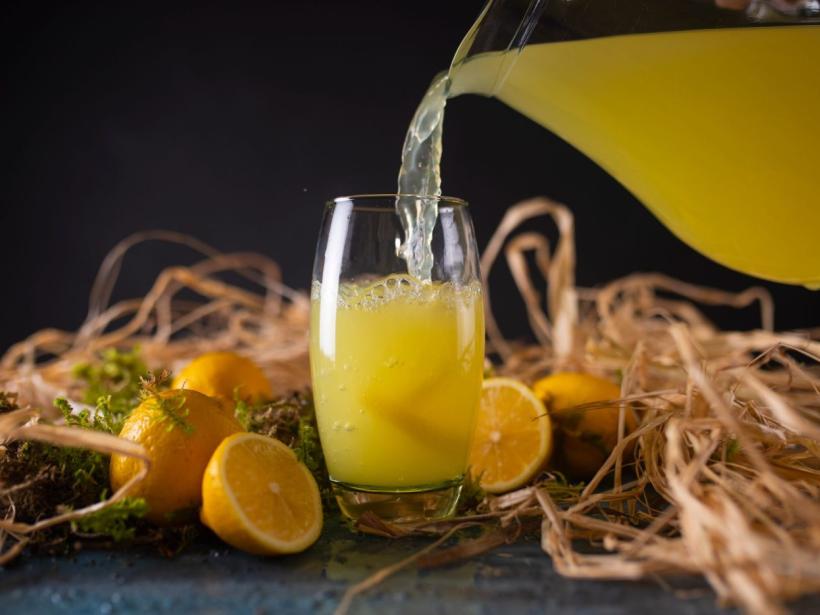
Photo: Oben Kural, Pexels (Pexels License)