
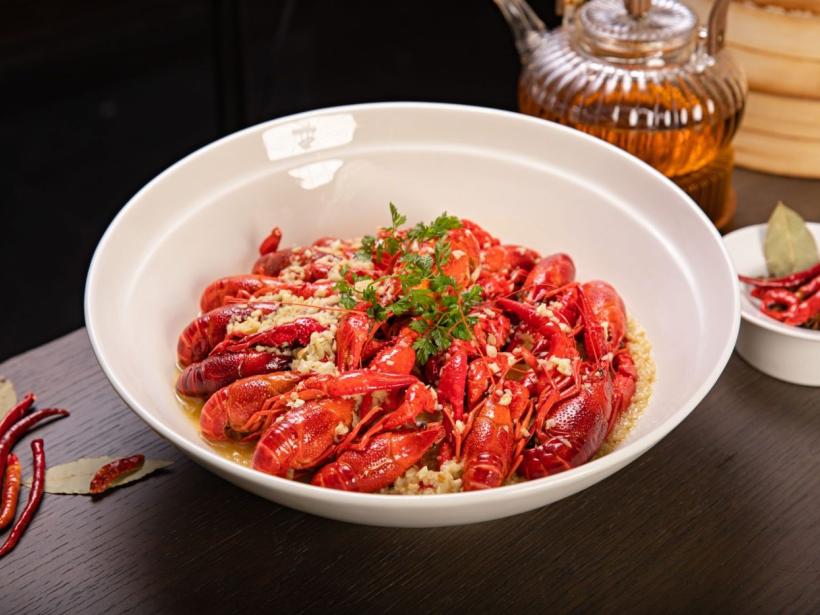
What is crawfish étouffée, exactly
Étouffée means "smothered" in French, and that describes the method perfectly. You cook crawfish tails in a tight, velvety sauce built on a roux and the Cajun trinity until every piece is coated and tender. The sauce clings to the crawfish rather than floating around it, setting the dish apart from looser stews.
A proper étouffée starts with a blonde roux: flour cooked in fat just until it smells nutty and turns pale gold. That roux thickens the sauce and carries the flavour of the trinity: diced onion, celery and green bell pepper softened in the same pot. Together they form a savoury base that is richer than a broth but not as dark or complex as a gumbo roux.
Gumbo is a soup or stew built on a darker roux and served over rice. Jambalaya is a rice dish where the grains cook right in the pot with the meat and stock. Étouffée sits between them: it is a main course of shellfish in a thick, seasoned sauce, spooned over rice that you cook separately. The rice stays fluffy underneath while the crawfish and sauce take centre stage.
Ingredients you need for crawfish étouffée
The ingredient list for four servings is short and relies on pantry staples. You need fat and flour for the roux, the trinity of onion, celery and green bell pepper, a good shellfish stock, seasonings, crawfish tails and a knob of butter to finish the sauce. Exact quantities are in the list below.
- 120 ml vegetable oil or bacon fat, plus 60 g plain flour for a medium-dark roux.
- 1 large yellow onion, 2 celery ribs and 1 medium green bell pepper, all diced into small even pieces.
- 500 ml shellfish or shrimp stock, warm, and 450 g peeled crawfish tails with their fat if you have it.
- 1 teaspoon kosher salt, ½ teaspoon black pepper, ¼ teaspoon cayenne and 1 teaspoon fresh thyme leaves.
- 2 garlic cloves minced fine and 2 tablespoons cold unsalted butter stirred in right before serving.
Bay leaf and a dash of Worcestershire sauce are optional but common. If you cannot get crawfish fat, the butter at the end brings back the richness. Keep the stock warm so it blends into the roux without seizing.
How to make the roux for étouffée
A proper roux starts with equal volumes of fat and flour. Melt 60 g of unsalted butter in a heavy-bottomed pot over medium heat until it stops foaming. Whisk in 60 g of plain flour and keep the mixture moving without stopping. The roux will go from white to blonde to peanut-butter brown in about 12 to 15 minutes.
The colour gives étouffée its deep, nutty backbone. A pale roux tastes raw and floury. One cooked to the shade of creamy peanut butter brings a toasted richness that holds up against the crawfish and spices. If you spot black specks, the flour has burned, and you need to start again. Lower the heat slightly once the roux hits a light tan, because the darker it gets, the faster it can scorch.
As soon as the roux reaches that warm brown colour, add the chopped trinity of onion, celery and green pepper. The vegetables stop the cooking instantly and sizzle as they hit the fat, releasing steam that lifts every browned bit off the bottom of the pot.
Building the stew: trinity, stock and crawfish
Once the roux is the colour of milk chocolate, add the trinity straight away. The diced onion, celery and green bell pepper hit the hot fat and sizzle immediately, which stops the roux from browning further. Stir everything together and cook for 6 to 8 minutes until the vegetables soften and the onion turns translucent. The steam from the vegetables loosens the roux, so do not worry if the mixture looks thick at first.
Pour in the crawfish or seafood stock slowly while stirring with a wooden spoon. Stir until the liquid and roux form a smooth, velvety base with no lumps. Bring the pot to a gentle simmer, add a bay leaf, cayenne and a pinch of dried thyme, then let it bubble quietly for 20 to 25 minutes. The stew will thicken and the raw flour taste will cook out completely. Taste the liquid and adjust the salt and cayenne before the crawfish go in.
Fold in the peeled crawfish tails only for the last 3 to 4 minutes of cooking. Overcooked crawfish turn rubbery, so keep the heat low and stir just enough to warm them through. Take the pot off the heat and finish with a knob of cold butter, stirring until it melts into the sauce. The butter adds a silky gloss and rounds out the spice. Let the étouffée rest for 5 minutes before ladling it over rice.
What to serve with crawfish étouffée
Fluffy white rice is the classic base for crawfish étouffée. Spoon the stew right over a mound of long-grain rice and let it soak up the rich, peppery sauce. Jasmine or basmati work well, but plain American long-grain rice keeps the flavour closest to a Louisiana kitchen table.
A few simple sides turn the dish into a full meal without crowding the table. You want things that contrast the thick, buttery stew rather than compete with it. Crusty French bread, torn off in chunks to wipe the bowl clean, is the first thing I reach for.
- A crusty baguette or New Orleans-style French bread, warmed in the oven, for mopping up every last drop of sauce.
- A simple green salad with a sharp vinaigrette. The acidity cuts through the richness and keeps the plate feeling fresh.
- Cold beer, something crisp and light like a lager or a pilsner, is the traditional drink alongside étouffée.
- Sweet iced tea, brewed strong and poured over plenty of ice, is the go-to for anyone skipping the beer.
Common mistakes and how to avoid them
A dark roux gives étouffée its deep, nutty backbone, but it can burn in seconds. Stir constantly over medium heat and pull the pot off the burner the moment the colour looks like peanut butter. If you spot black specks, start over because burnt flour tastes bitter and will ruin the whole pot.
Timing the crawfish matters. Add the tails only in the last five minutes of simmering. They are already cooked, and boiling them for half an hour turns the meat tough and rubbery. A sauce that is too thin usually means you rushed the simmer. Let it bubble uncovered until a spoon drawn across the bottom leaves a clean trail that slowly fills in. If the stew ends up too thick, stir in a splash of warm seafood stock, a tablespoon at a time, until it loosens up.
Underseasoning is the quietest mistake. Crawfish are mild, and the rich roux can swallow salt. Season in layers, a pinch with the trinity and another when the stock goes in, then taste and adjust right before you add the crawfish. A final squeeze of lemon and a dash of hot sauce at the table wake up every spoonful.
- Scorched roux has black flecks and a bitter smell. Scrape the pot and start a fresh roux on medium heat, stirring without stopping.
- Tough, rubbery crawfish means the tails boiled too long. Stir them in only during the final 5 minutes of cooking.
- A thin, watery sauce needs more reduction time. Simmer uncovered and test with the spoon-trail trick until it coats the back of a spoon.
- A stew that is too thick or pasty gets a slow fix. Add warm stock one tablespoon at a time, stirring between each addition.
- A flat, bland taste signals underseasoning. Add salt in small pinches at each stage and finish with lemon juice and hot sauce.
Frequently asked questions
Can I use frozen crawfish tails for étouffée?
Yes. Most Louisiana cooks use frozen, peeled crawfish tails because they are available year-round. Thaw them in the refrigerator overnight and drain the liquid before adding them to the pot. The fat inside the package is flavourful, so stir it into the stew.
What is the difference between étouffée and gumbo?
Étouffée is a thicker, smothered dish made with one main protein, usually crawfish or shrimp, and served over rice. Gumbo is a soupier stew that often combines several meats or seafood and includes okra or filé powder as a thickener. Both start with a roux, but étouffée leans richer and creamier.
My roux keeps burning. What am I doing wrong?
High heat is the usual culprit. Cook the roux over medium-low heat and whisk constantly. If you see dark specks, the flour has burned and you need to start over. A proper dark roux takes 15 to 20 minutes of steady stirring. Switching to a heavy-bottomed pot helps prevent hot spots.
Can I make crawfish étouffée ahead of time?
The stew tastes even better the next day. Cool it completely, store it in the fridge for up to three days and reheat gently on the stove. Add the crawfish tails only when you reheat so they stay tender. Cook fresh rice on the day you serve it.
Photo: Change C.C, Pexels (Pexels License)